
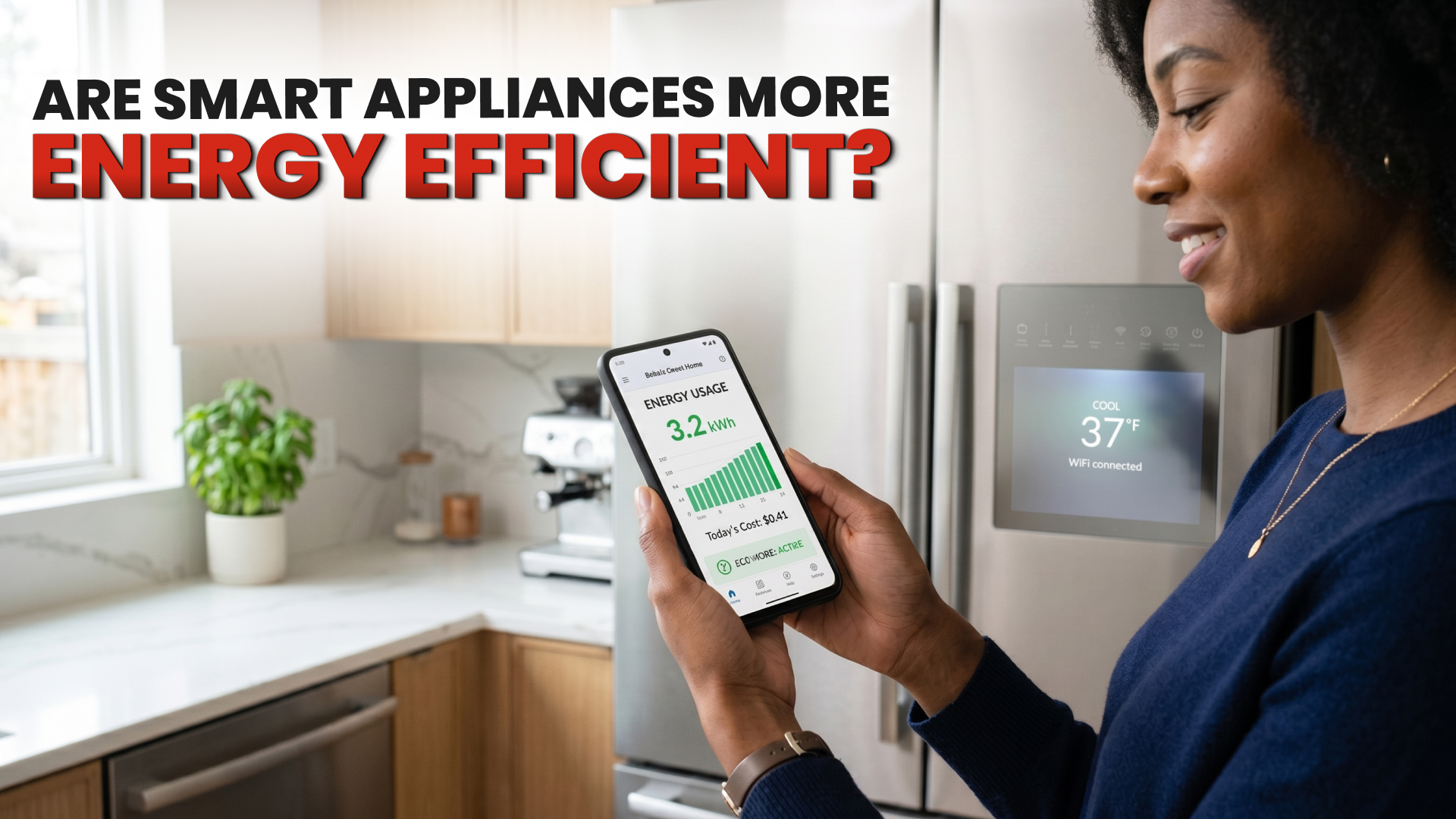
Yes, many smart appliances can be more energy efficient because they use advanced technology to monitor usage, adjust settings, and reduce unnecessary energy consumption. Features like smart sensors, automated cycles, and energy monitoring help modern appliances work smarter. However, efficiency depends on the appliance model, usage habits, and energy ratings.
Choosing the right appliance is not just about having the latest technology. It is about finding products that fit your lifestyle while helping you manage energy costs.
Upgrade Your Home With Bobo’s Home Appliances.
Looking for reliable and affordable appliances? Bobo’s Home Appliances offers quality home appliances, including energy-conscious options designed for modern homes.
At a Glance: Smart vs Traditional Appliances
| Feature | Smart Appliances | Traditional Appliances |
| Energy Monitoring | Tracks usage | Limited tracking |
| Automation | Adjusts settings automatically | Manual controls |
| Convenience | App and remote features | Standard operation |
| Efficiency | Can reduce waste | Depends on user habits |
| Technology | Advanced sensors | Basic functions |
What Makes Smart Appliances Different?
The biggest difference between smart and traditional appliances is the technology behind them.
Traditional appliances usually operate based on fixed settings. You choose a cycle, temperature, or timing, and the appliance runs.
Smart appliances use sensors and connected features to make adjustments.
Examples include:
- Smart refrigerators that monitor temperature
- Smart washers that adjust water levels
- Smart dishwashers that optimize cleaning cycles
- Smart ovens that control cooking settings
These features can help reduce wasted energy and improve daily convenience.
Are Smart Appliances Really More Energy Efficient?
The answer depends on how you use them.
Many modern energy efficient appliances are designed with improved motors, sensors, and technology that use less electricity compared to older models.
Smart features may help by:
- Reducing unnecessary operation
- Adjusting settings automatically
- Preventing overuse
- Tracking energy habits
For example, a smart washing machine may sense the load size and adjust water usage. A smart thermostat-connected appliance may reduce energy use during times when it is not needed.
However, buying a smart appliance does not automatically guarantee lower bills.
The appliance must have strong energy ratings and be used properly.
How Do Smart Appliances Save Energy?
1. Smart Sensors Reduce Waste
Sensors are one of the biggest reasons smart appliances can improve efficiency.
These sensors can detect:
- Load size
- Temperature changes
- Moisture levels
- Food storage conditions
A refrigerator, for example, may adjust cooling based on internal conditions instead of constantly running at the same level.
This can prevent unnecessary energy use.
2. Automated Settings Improve Performance
Many homeowners forget to adjust appliance settings.
Smart technology handles some of that work.
Examples:
A dishwasher may choose the right cleaning cycle.
A washing machine may adjust water levels.
An oven may maintain temperature more accurately.
Small adjustments can create savings over time.
3. Energy Monitoring Helps Homeowners Make Better Choices
Some smart appliances provide usage reports.
These features allow you to see:
- When energy is being used
- How much power an appliance consumes
- Which settings use more energy
This information helps homeowners change habits.
Knowing where energy goes is the first step toward reducing waste.
Which Smart Appliances Offer the Biggest Energy Savings?
Not every appliance saves the same amount.
Some upgrades have a bigger impact than others.
Smart Refrigerator
A refrigerator runs 24/7, making efficiency important.
Modern smart refrigerators may include:
- Temperature sensors
- Door alerts
- Cooling adjustments
- Better insulation
These features can help maintain performance without wasting energy.
Smart Washing Machine
Laundry appliances can use significant amounts of water and electricity.
Smart washers may:
- Adjust water levels
- Optimize cycles
- Detect fabric types
- Reduce unnecessary washing time
This makes them a popular choice for homeowners looking for energy efficient appliances.
Smart Dishwasher
A newer dishwasher can help reduce both water and energy usage.
Smart models may offer:
- Soil sensors
- Eco modes
- Efficient drying systems
- Automatic cycle adjustments
They can also save time by reducing manual cleaning.
Smart Oven and Range
Smart cooking appliances are becoming more popular.
Benefits may include:
- Precise temperature control
- Faster cooking
- Remote monitoring
- Automatic shut-off features
These features can improve safety and reduce wasted cooking time.
Are Older Appliances Costing You More?
Many homeowners keep appliances longer than they should.
While older models may still work, they may use more energy.
Signs your appliance may need replacing include:
- Rising energy bills
- Frequent repairs
- Poor performance
- Unusual noises
- Outdated features
Replacing one major appliance can sometimes make a noticeable difference.
How Do You Choose Energy Efficient Home Appliances?
Buying a smart appliance requires more than choosing the newest model.
Use this simple guide:
Step-by-Step Appliance Buying Guide
Step 1: Check Energy Ratings
Look for appliances designed for lower energy consumption.
Energy labels can help compare models.
Step 2: Consider Your Daily Routine
Think about:
- How often you cook
- How much laundry you do
- Your family size
- Your storage needs
The best appliance is one that matches your lifestyle.
Step 3: Compare Features
Look at:
- Smart controls
- Efficiency settings
- Capacity
- Warranty
- Maintenance needs
Step 4: Calculate Long-Term Value
A cheaper appliance may cost more over time if it uses more energy.
Think about long-term savings, not only the upfront price.
Step 5: Buy From a Trusted Appliance Store
A reliable seller can help you choose the right product.
Smart Appliance Buying Checklist
Before purchasing, ask:
- Does the appliance have energy-saving features?
- Is the size right for my home?
- Will I use the smart functions?
- Does it fit my budget?
- Is the warranty included?
- Are replacement parts available?
- Does it match my existing appliances?
- Will it reduce daily effort?
Are Smart Appliances Worth the Investment?
For many homeowners, smart appliances are worth considering.
They offer:
- More control
- Better convenience
- Improved monitoring
- Modern features
But the best choice depends on your needs.
A smart appliance that you never use may not provide much value.
A simple, efficient appliance that fits your routine may be the better investment.
Why Choose Bobo’s Home Appliances?
At Bobo’s Home Appliances, we understand that upgrading your home is a big decision.
Our goal is to help customers find dependable home appliances that match their needs and budgets.
We offer options for homeowners looking for:
- Modern appliances
- Affordable upgrades
- Quality products
- Practical kitchen solutions
Whether you need a refrigerator, washer, dishwasher, or another appliance, choosing the right product can make everyday life easier.
Find Your Perfect Appliance Today.
Explore quality smart appliances and energy-efficient options at Bobo’s Home Appliances.
Frequently Asked Questions
Do smart appliances use less electricity?
Many smart appliances are designed to reduce energy waste through sensors and automatic adjustments, but savings depend on the model and usage.
Are smart appliances better than regular appliances?
Smart appliances offer additional features like monitoring and automation, while regular appliances may still be efficient if they have strong energy ratings.
Which smart appliance saves the most energy?
Refrigerators, washers, and dishwashers often provide noticeable savings because they are used frequently.
Are energy efficient appliances expensive?
Some efficient models cost more upfront but may save money through lower energy use over time.
Should I replace working appliances?
Not always. Replacement makes more sense when appliances are outdated, inefficient, or expensive to repair.
Final Thoughts
Technology has changed the way we use our homes.
Today’s smart appliances are designed to make everyday tasks easier while helping homeowners manage energy use.
The best upgrade is not always the most advanced model. It is the appliance that fits your routine, budget, and long-term goals.
With Bobo’s Home Appliances, finding reliable and efficient home appliances becomes simple.